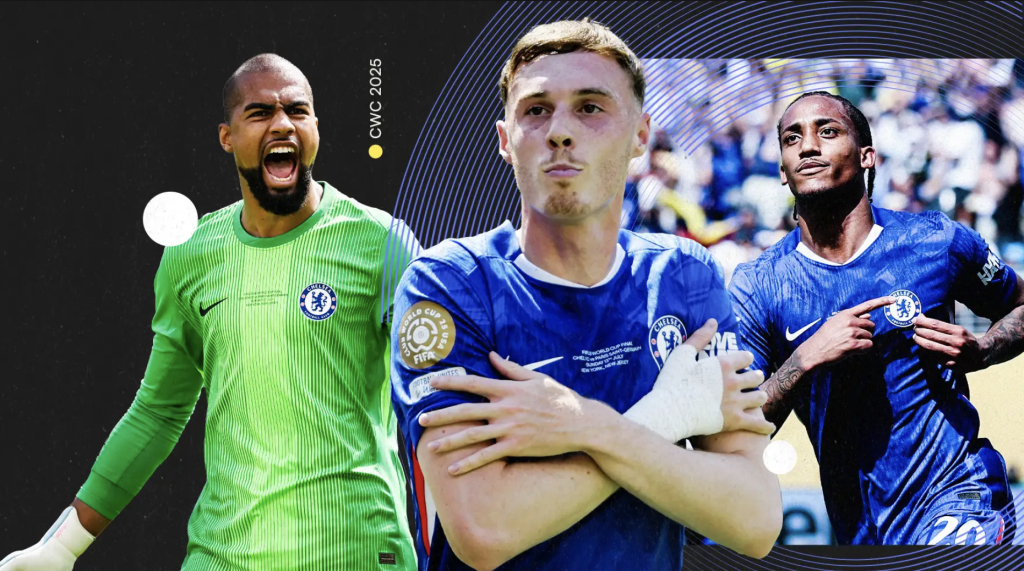
The Chelsea vs. Paris Saint-Germain Club World Cup final was a football spectacle that will forever be etched in the memories of fans. On a night where the Blues surprised everyone, Cole Palmer emerged as the key player, guiding his team to a historic victory. We will analyze this encounter in detail, examining the strategic lineups of both teams, the tactics employed, and the impact the match had on the international stage, exploring how this memorable Chelsea FC vs. Paris Saint-Germain FC lineup unfolded.
Chelsea vs Paris Saint Germain
The Chelsea vs. Paris Saint-Germain match was more than just a final; it was a clash of history, talent, and strategy at their finest. The London club, managed by Enzo Maresca, triumphed over the European champions in a game where efficiency, focus, and individual brilliance made the difference.
General tactical analysis of the match
From the opening whistle, Chelsea displayed a bold attacking approach, seeking to press high and capitalize on every opportunity. Maresca's approach sought to neutralize PSG's midfield, traditionally dominated by creative and explosive players. The constant pressure and mobility of Palmer and Joao Pedro broke through Paris' lines on several occasions. Paris, for their part, attempted to impose their trademark ball control through quick combination plays, but the compact defense and Robert Sanchez's bravery in goal prevented them from creating clear opportunities.
Development of the match and key moments
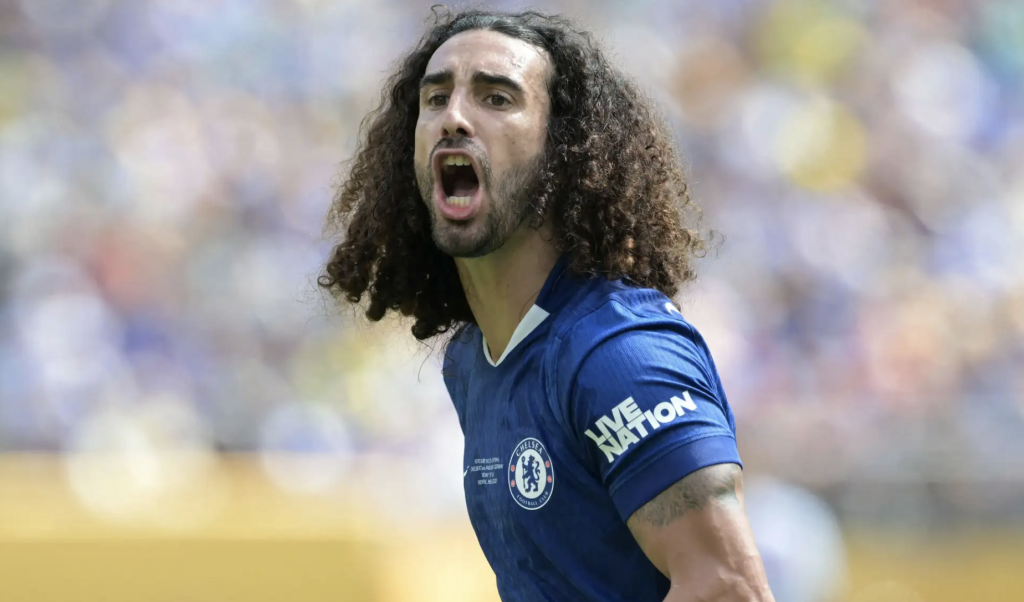
Palmer's first goal was a severe blow to PSG, who seemed unable to adjust their rhythm in the face of Chelsea's incisive pressure. His precision in placing the ball in the bottom corner demonstrated his individual talent. The second goal, almost a mirror image of the first, confirmed the English team's superiority, providing them with the confidence to control the second half. When Joao Pedro increased the lead with a brilliant move, the Parisians were forced to look for offensive alternatives, finding themselves facing a Robert Sanchez in a state of grace who thwarted every attempt.
The role of leaders in the field
Cole Palmer was the true driving force behind the Blues. He not only scored two goals but also assisted the third, displaying a complete game that included dribbling, vision, and finishing. Joao Pedro complemented the offense with intelligence and a knack for breaking lines. Less visible but equally crucial was the security provided by Robert Sanchez between the posts, with saves that kept his goal clean against the Parisian onslaught.
Chelsea fc vs paris saint germain fc lineups
The match was decided both on the pitch and in the pre-match tactical planning. Analyzing the Chelsea FC vs. Paris Saint-Germain FC lineups helps us understand how both managers positioned their players and what the strengths and weaknesses of each team were.
Chelsea's lineup composition and style
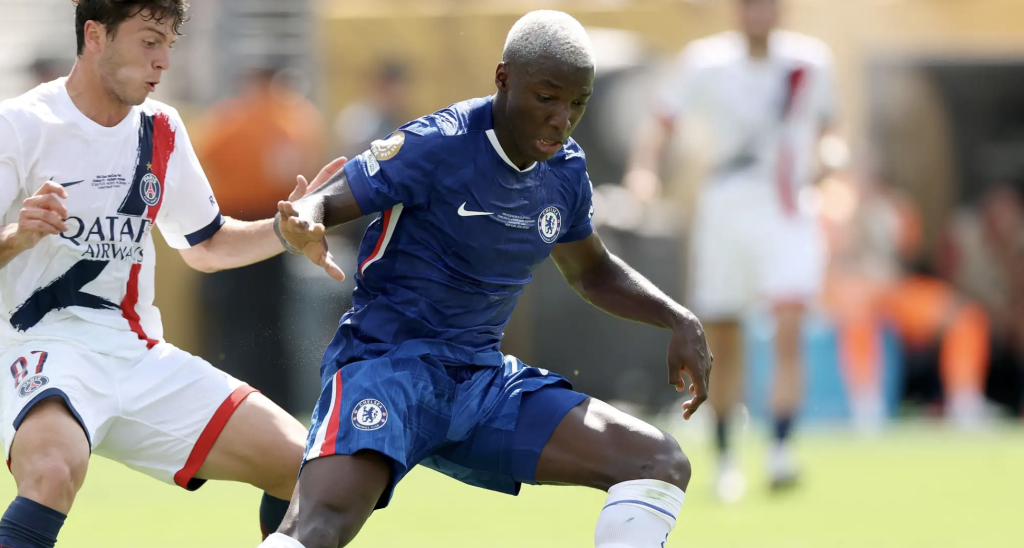
Maresca opted for a flexible formation that allowed for quick transitions. He placed Palmer in a key position to take advantage of his mobility and ability to break through, while Joao Pedro played a creative linking role, connecting the lines. The defense featured a solid back line, with Malo Gusto standing out, also contributing to the offensive generation. The inclusion of Robert Sanchez, a young but reliable goalkeeper, was crucial for defensive security.
Strategy and player selection at PSG
Paris Saint-Germain fielded a highly talented squad, with world-class players like Gianluigi Donnarumma in goal and pacey attackers like Ousmane Dembele. The coach sought to maintain possession and create space through individual skill and creativity in midfield. However, his decision to take risks early on was punished by Chelsea's intense pressing and effective counterattacks.
Impact of substitutions and strategic changes
The changes made during the match were key to responding to the changing dynamic. Chelsea introduced players like Liam Delap, who, although he didn't score, created danger and maintained the high pressure. PSG, for their part, tried to turn things around with offensive substitutions, but Sanchez's saves and the Azulones' defensive organization prevented any kind of reaction.
Lineup comparison table
| Job title | Chelsea (Headlines) | PSG (Headlines) |
|---|---|---|
| Goalkeeper | Robert Sanchez | Gianluigi Donnarumma |
| Trade | Bad Taste, Williams, etc. | Kimpembe, Marquinhos |
| Midfield | Palmer, Joao Pedro | Vitinha, Verratti |
| Strikers | Palmer, Joao Pedro, etc. | Dembele, Messi (if he played) |
This comparison shows how tactical decisions were reflected on the pitch, with Chelsea achieving a blend of youth and efficiency that overwhelmed a more technical but less forceful PSG.
Paris Saint Germain Chelsea
The Paris Saint-Germain-Chelsea chapter in the Club World Cup reflected how teams build their status in world football through results and overall performance. Beyond the final, we can assess what this confrontation meant for both teams by analyzing their recent history, head-to-head record, and future prospects.
Growing rivalry and historical context
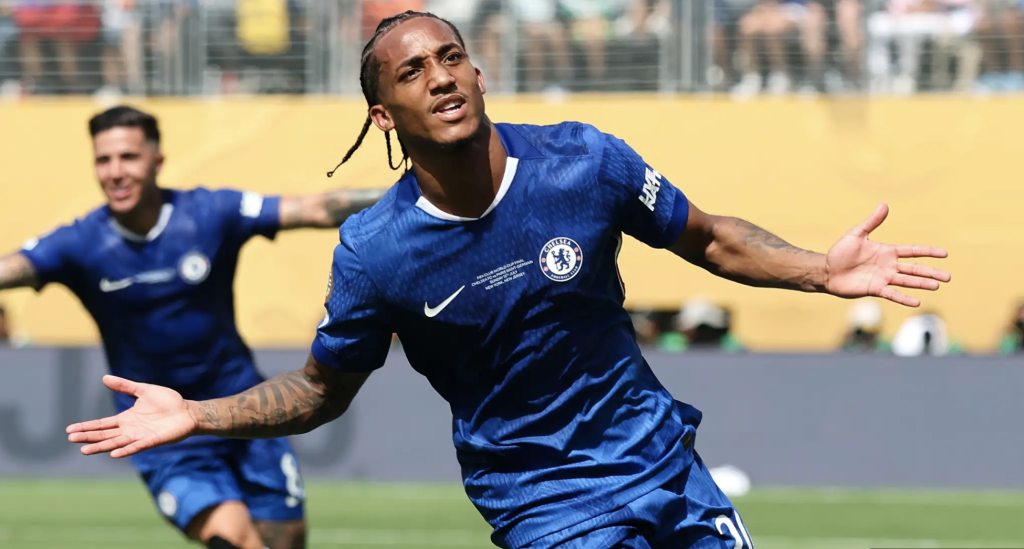
Although they don't frequently face each other in crucial stages, the rivalry between Paris Saint-Germain and Chelsea has intensified due to increasing European competition and the presence of international talent at both clubs. This match served to solidify Chelsea's new status, demonstrating that they can compete at the highest level against European giants.
Impact of the match on the clubs
Chelsea's victory reaffirmed Maresca's ability to develop young players and establish a winning style. For PSG, the defeat highlighted areas for improvement, primarily in defensive management and responding to high pressure. Joao Neves's sending-off complicated the final whistle and highlighted the tension on the pitch.
What could come next for both teams
While Chelsea capitalizes on this victory to continue growing as a global team, PSG must rethink its strategy to not only dominate matches but also finish decisively against compact opponents. Both have star-studded squads, but commitment, tactics, and cohesion will be key to their success in future European competitions.
Chelsea Paris Saint-Germain
The Chelsea-Paris Saint-Germain clash became a turning point for club football, showing how teams can exceed expectations and achieve feats with emerging talent and a well-defined strategy.
The impact of the victory for Chelsea
Winning the Club World Cup with such a resounding result against a European giant significantly raised Chelsea's prestige. Palmer's performance not only cemented his individual reputation but also inspired a younger generation at the club. The display of character and technique showed that the Blues are ready to compete on any stage.
Lessons learned for PSG
PSG will need to analyze both their tactical approach and their execution at key moments. The inability to react to pressure and the opponent's effectiveness are critical points. Frustration over defeat can also become motivation to improve cohesion and defensive solidity.
Future of the Chelsea-Paris St. Germain rivalry
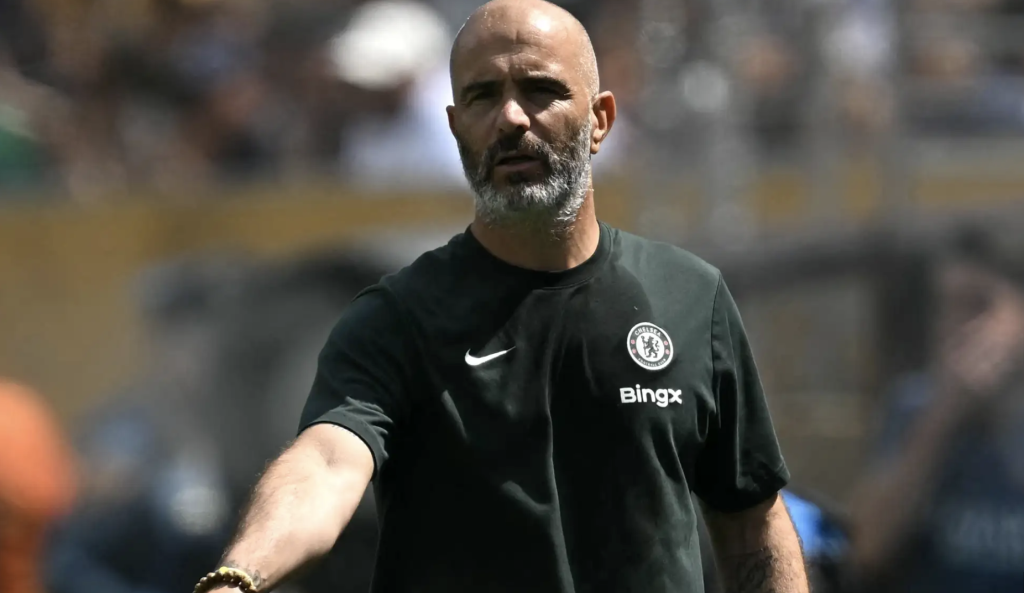
The clash marked only the beginning of a sporting rivalry that promises to be thrilling. With renewed rosters and high ambitions, future matches promise to be equally or even more intense, boosting competition in European and global tournaments.
Conclusion
The Chelsea vs. Paris Saint-Germain clash in the Club World Cup final was much more than just a match; it was a showcase of talent, strategy, and determination where Chelsea emerged victorious thanks to Cole Palmer's brilliant performance and Robert Sanchez's solid defensive work. Enzo Maresca's tactical foresight and the effectiveness of his lineup made the difference against a powerful PSG side that was ultimately unable to overcome Chelsea's relentless pressure. This match will not only be remembered for the result but also for its impact on future competitions and the development of both clubs as global football powerhouses. The renewed rivalry between these two sides promises more exciting encounters and high levels of competition on the international stage.